Heel and Toe: Songs, tunes and stepdances from the collection of Sam Steele
Veteran VT150CD
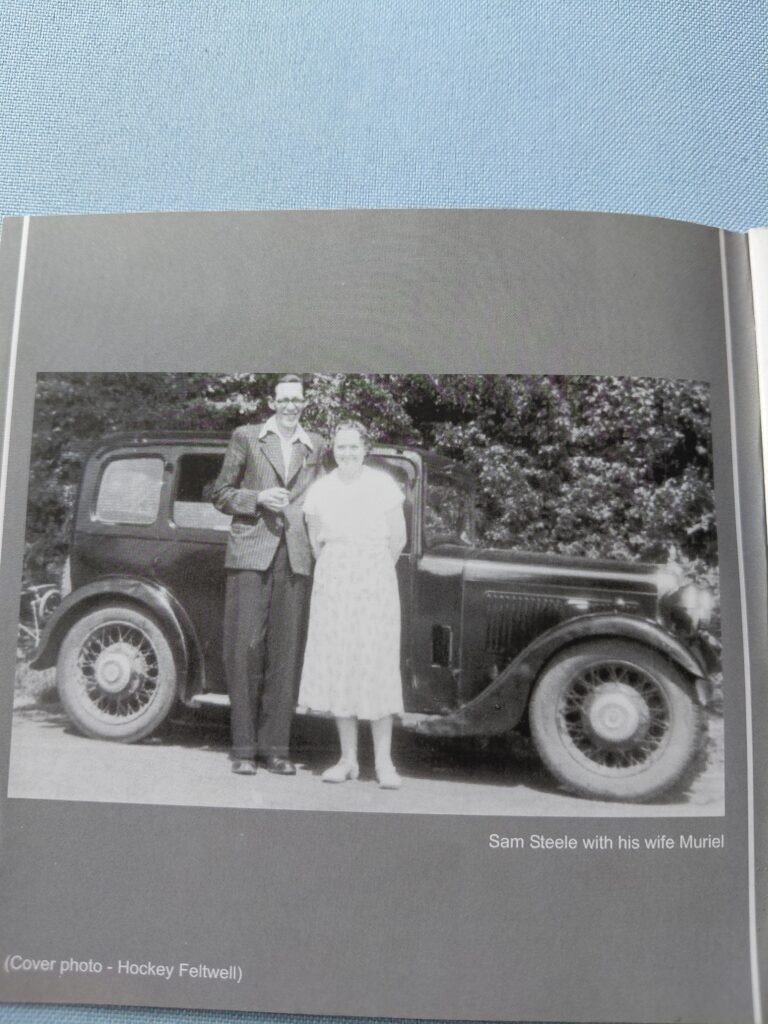
This Veteran release from 2005 is another of the label’s periodic releases of archive material, in this instance by Cambridgeshire teacher Sam Steele, an enthusiast who collected and recorded songs and tunes, in his fenland Cambridgeshire area, but also ranging further afield into Norfolk and Essex. The CD comprises a selection of this material, gathered between 1959 and 1962, and includes material, particularly instrumental, by performers who were to be more widely recorded later, as well as others for whom these are the only recordings available. Sam was a good friend of another collector from his area, Russell Wortley, and they seem to have teamed up for many field trips. What the CD presents is a vibrant selection of the songs and tunes which made up the musical activity of the working people of the area.
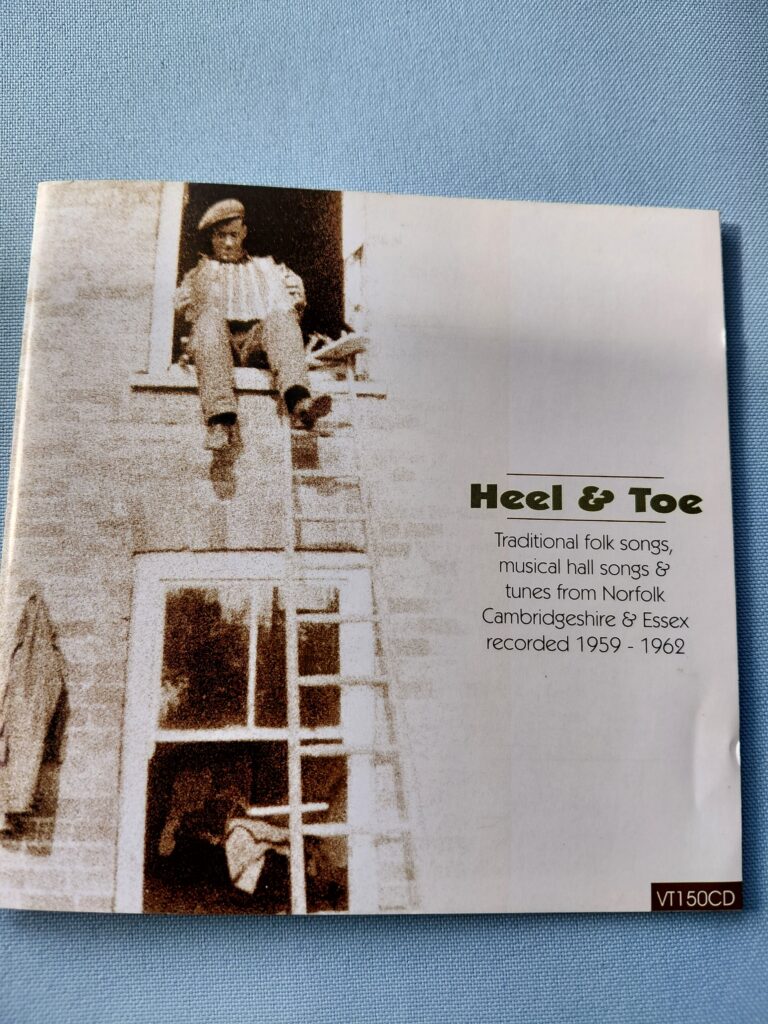
The disc kicks off with Norfolk’s Percy Brown rattling through the Heel and Toe Polka on the melodeon and ends with him doing the same with a Step Dance Medley, this time with Dick Hewitt stepdancing. In between we have a varied programme of songs serious and comic, and a mixture of solo and ensemble instrumental playing, with a bit of stepdancing thrown in for good measure.
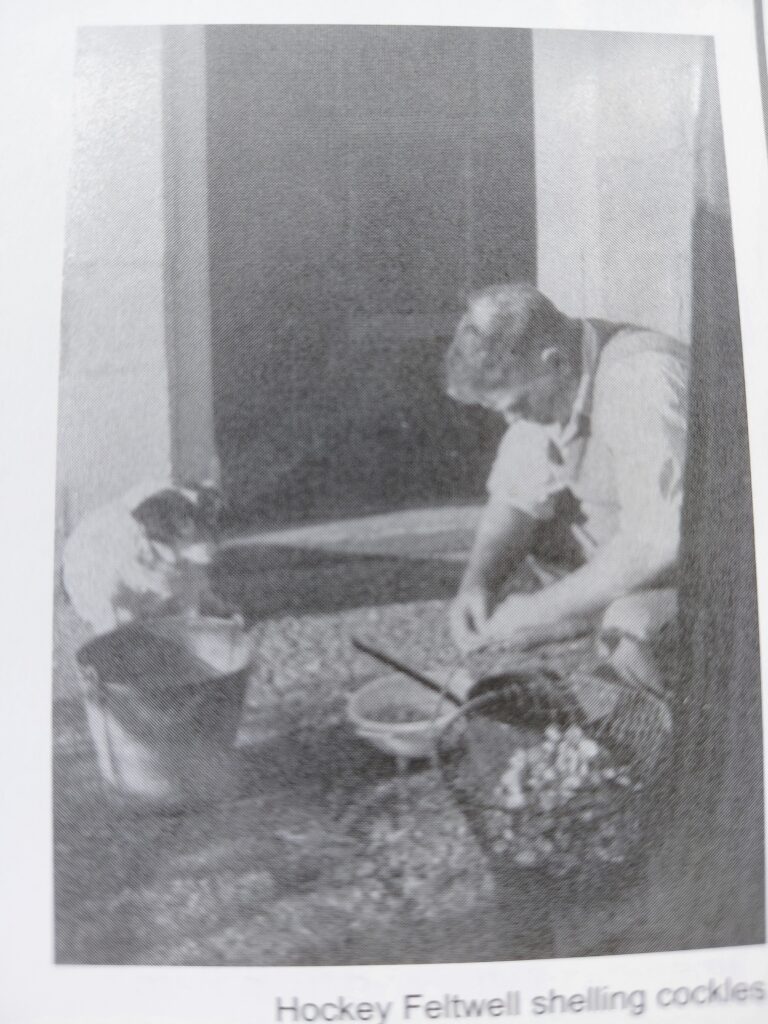
Of the ten songs, there is a good – and typical – selection of the old ballads such as The Outlandish Knight, sung by Hockey Feltwell and Reg Bacon’s Banks of the Sweet Dundee, and lighter, comic material such as Charlie Giddings’ So Was I and Reg Bacon’s Nothing to Do With Me, the latter recorded live before an audience, as are several others, giving a great ambience to the proceedings. Most of the singers are fenlanders: Charlie Giddings, Alan Pate and Billy Rash from Cambridgeshire and Arthur ‘Hockey’ Feltwell from Southery in Norfolk, just on the county border.(1) All seem seasoned performers and give assured performances. Most were regular pub performers; of Charlie Giddings, the booklet notes (by John Howson) state that “Charlie sang mainly in the village local, The Three Tuns. He had his own seat which nobody else was allowed to sit in. He would visit the pub most nights for a couple of beers and that’s where he did his singing” and Billy Rash “sang songs and played melodeon in The Chestnut Tree, West Wratting…Russell Wortley recorded him playing and his repertoire seems to have been mainly song tunes.” Alan Pate’s Remember Me To… is unusual in that he accompanies himself on piano. He “also played fiddle for local dances in the 1940s, along with Mildred Harrison on piano.” The last song on the CD is the old pub chestnut The Barley Mow, given by Reg Bacon, from Saffron Waldon, Essex – in itself indicative of the selection of songs and their social purpose.
With the tunes, there are two melodeon players, George Green from Little Downham, Cambridgeshire, and the aforementioned Percy Brown, who lived in several places around the Aylsham area in Norfolk. The latter was recorded quite extensively (2) and was a regular player, often to accompany stepdancing, in that area of the county. (3) George Green was the melodeon player for Little Downham Molly Dancers. Both perform straightforward dance tunes in a driving, rhythmic way – such as Brown’s Bluebell Polka and Green’s Four Hand Reel – very much indicative of the social purpose of the music, underlined by two of Percy Brown’s tracks where he accompanies stepdancing. (4)
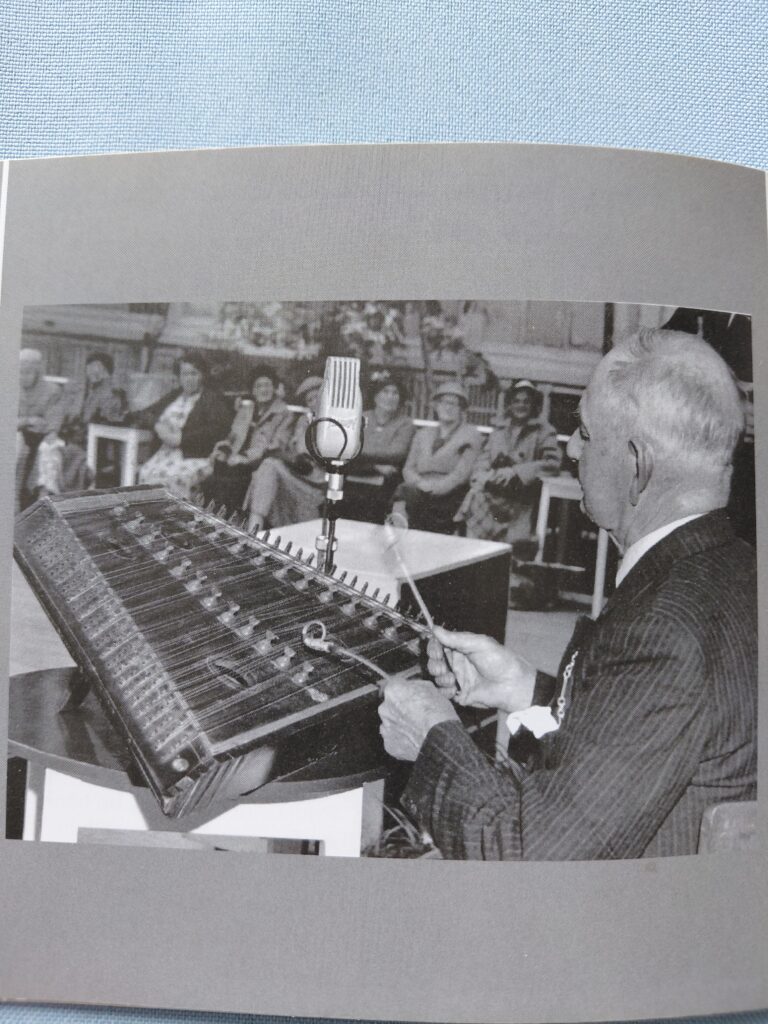
The remaining five instrumental tracks comprise performances by the various musicians that were brought together for the seminal English Country Music recordings. (5) There is some crossover here, as Russell Wortley was present at those sessions and appears on some of the tracks. Dulcimer player Billy Cooper, from Hingham in Norfolk, gives us the sublime waltz Dulcie Bell and Walter and Daisy Bulwer, of Shipdham, an Unidentified Jig (as given here) on fiddle and piano. The tune is really more of a march in 6/8 time and is actually the Warbler’s Serenade, recorded on 78s several times early in the century. They are unusual and sophisticated in both cases, and reflect the wider musical influences on these performers, particularly in the case of the Bulwers, who were both musically literate and would spend evenings playing through tunes from a huge stack of sheet music. (6) The three get together with Edna Wortley, on banjo, for three more tracks: a medley of hornpipes, a bouncy Whistling Rufus and an Unidentified Polka (which is actually the Cromarty Polka March), for some sparkling ensemble playing. It is unclear just how frequently the Bulwers had played together with Billy Cooper prior to the English Country Music sessions, but they certainly seem very comfortable with the situation here.
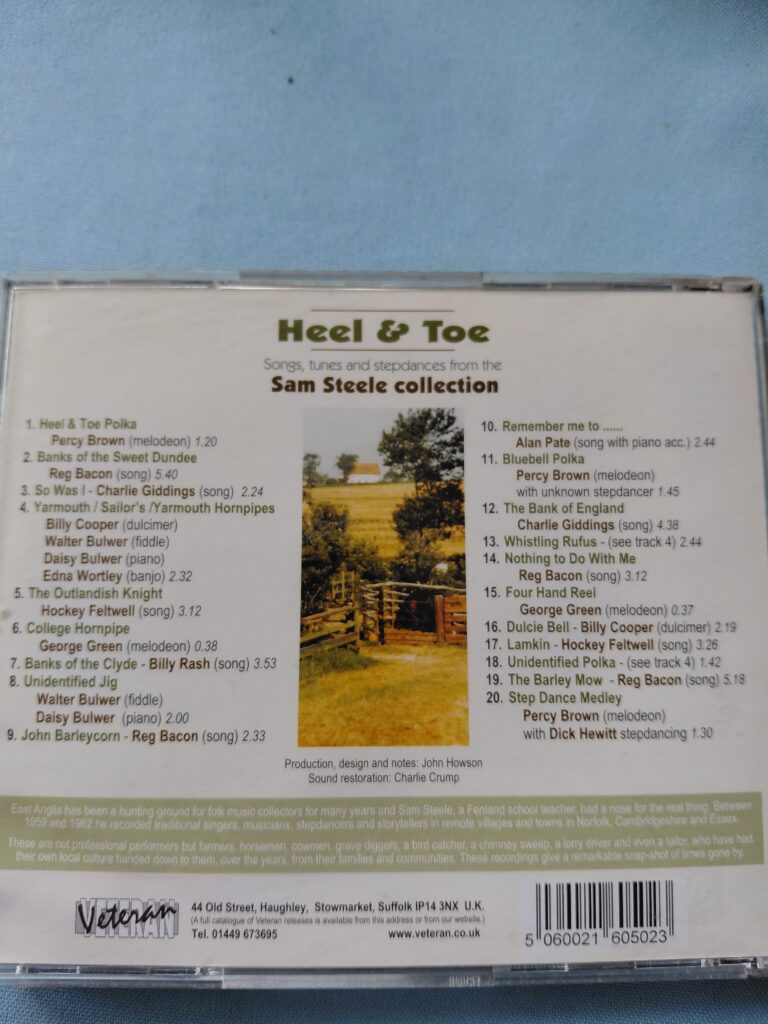
In all, here we have twenty tracks – a little under an hour – of a varied programme of music and song from East Anglia, collected by Sam Steele, who “had a nose for the real thing,” as the notes on the back of the CD case would have it. Those notes continue: “These are not professional performers but farmers, horsemen, cowmen, grave diggers, a bird catcher, a chimney sweep, a lorry driver and even a tailor, who have had their own local culture handed down to them, over the years, from their families and communities. These recordings give a remarkable snap-shot of times gone by.” A talented bunch they were too. The sound is as clear and bright as can be expected, given the age of the recordings. This is a fascinating and wonderfully entertaining collection and yet another example of the richness of traditional music which has been collected over the years in East Anglia. At the time of writing the recording is available as a CD and download from Veteran.
Chris Holderness
March 2026
Notes:
- Hockey Feltwell can also be heard singing Four Horses on Come all My Lads That Follow the Plough; Topic TSCD655 (1998)
- Percy Brown features on the English Country Music from East Anglia LP: Topic 12TS229 (1973) – see review in a previous newsletter – and The Pigeon on the Gate: Melodeon Players from East Anglia: Veteran VTDC11CD (2008) – which also has George Green’s College Hornpipe. Percy Brown is also featured on Father Went to Yarmouth: Traditional Songs and Dance Tunes from Norfolk; Helions Bumpstead Gramophone Company (no number)
- For details of Percy Brown’s life and music see: Chris Holderness: Percy Brown: Aylsham Melodeon Player MT211(2007) www.mustrad.org.uk
- A video was produced by the English Folk Dance and Song Society of Dick Hewitt of Briston, Norfolk, stepdancing to Percy Brown’s playing, in the late 1970s: EFDSS Video 01
- The CD reissue of this is English Country Music; Topic TSCD607 (2000) – see review in a previous newsletter.
- For details of Walter and Daisy Bulwer’s life and music see: Chris Holderness: Walter and Daisy Bulwer: Recollections of the Shipdham Musicians by members of their community MT185 (2006) and for Billy Cooper: Billy Cooper: the Hingham dulcimer player remembered by his family MT208 (2007) by the same author.